
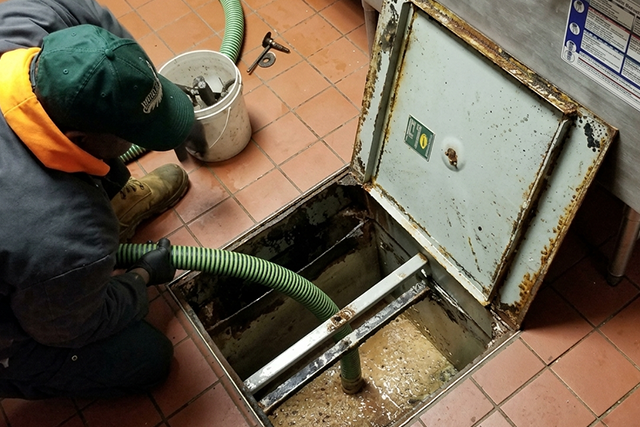
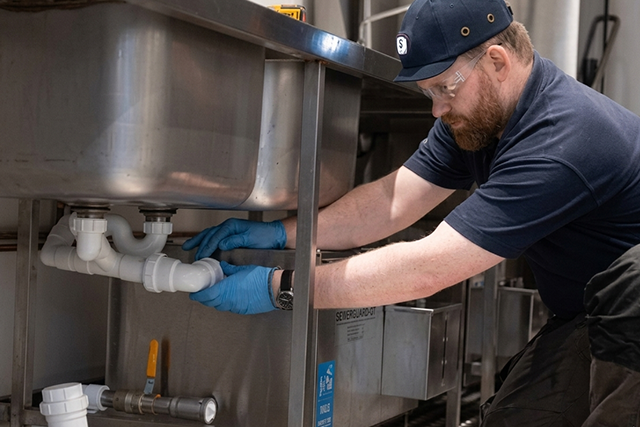
Grease can cool, harden, and collect inside drain lines. That buildup can slow drains, create odors, and send fats, oils, grease, and food solids toward a sewer or septic system. SepTech LBK installs grease traps and interceptors that catch this material earlier.
For grease trap installation in Lynn County, TX, we start with the property itself. We review kitchen use, fixture flow, available space, pipe routes, service access, and the final wastewater connection. We serve Tahoka, O’Donnell, Wilson, and New Home, including rural sites where excavation room and septic layout affect placement.
A small indoor trap and a larger outdoor interceptor do the same basic job, but they fit different sites. We check expected flow, grease load, pipe elevation, tank access, soil conditions, and room for future pumping.
For properties around Tahoka and along US 87, we also look at equipment access and the route from the kitchen to the approved discharge point. The unit should stay easy to reach for future service.
Large outdoor kitchens, event spaces, guest areas, and some rural homes may need added grease separation. We review plumbing, wastewater layout, and access so the unit stays reachable for future care.
Restaurants, cafes, bakeries, convenience stores, churches, schools, and other food-use sites can send grease and food solids into drains throughout the day. We size and place the unit around actual kitchen use. In Tahoka, Wilson, O’Donnell, and New Home, we also plan for cleaning access so pump-outs do not require unnecessary digging.
New construction gives us more room to coordinate the grease trap with trenching, utility routes, sewer or septic connections, drive areas, and other site work. Installing the unit before concrete or finished surfaces are in place can reduce later digging.
After the location and approved plan are clear, we confirm utilities, prepare the work area, and install the unit to match the planned pipe route and access needs.
Before leaving, we point out the lids and explain what should stay clear for future inspection and pumping.
We plan around West Texas soil, rural access, drainage, excavation space, and the needs of the site.
Our crew checks tank position, pipe alignment, access, and flow before the tank is covered.
SepTech LBK offers 24/7 availability when a failed unit or construction change affects your schedule.
Size depends on fixture use, wastewater flow, food volume, operating hours, and local requirements. We review the site before selecting a unit.
It should be placed after approved grease-producing fixtures and before the sewer or septic connection, with access for inspection and pumping.
Field time depends on tank size, digging depth, soil, pipe connections, site access, and required approvals.
Yes. It can catch grease and food solids before they reach the septic tank, but it still needs regular pumping.
The schedule depends on kitchen volume, tank capacity, measured buildup, and local requirements.
Some projects need plan review, permits, or inspection. Requirements depend on the property and the authority serving the site.
We support property projects with septic work, utility connections, excavation, concrete, road building, and reliable site preparation throughout South Plains and surrounding areas across West Texas.