
Slow drains, wet ground, sewage smells, or no sewer access can stop a building plan fast. You need clear answers before digging starts. SepTech LBK provides septic system installation in South Plains & Surrounding West Texas Areas, for homes, businesses, rural lots, and developing sites. We review how you will use the property and where each system part can safely fit. Early planning can prevent costly layout changes after excavation begins. We explain each stage from the first review through final checks.
A septic project starts with measurements, questions, and a close look at the land. We discuss the property type, expected water use, building plans, and future needs. The design must match expected daily flow before equipment reaches the property.
Our septic system installation services in South Plains & Surrounding West Texas Areas, include planning for the tank, treatment area, and soil absorption area. We review slopes, utility paths, wells, structures, property lines, and planned additions. The goal is to place each part where it can work correctly and remain reachable for future care.
A site evaluation helps show whether the soil can accept treated water at the needed rate. Soil depth, texture, restrictive layers, and moisture conditions can affect the design. Those findings guide the on-site wastewater treatment method and the wastewater disposal system layout.
You should still have room to drive, build, mow, and reach service points. A well-placed private sewage system should support daily use without limiting the rest of your property.
Once approvals are ready, we mark the accepted layout and prepare the work area. Excavation depth and trench placement must follow the design. Each cut must match the approved design.
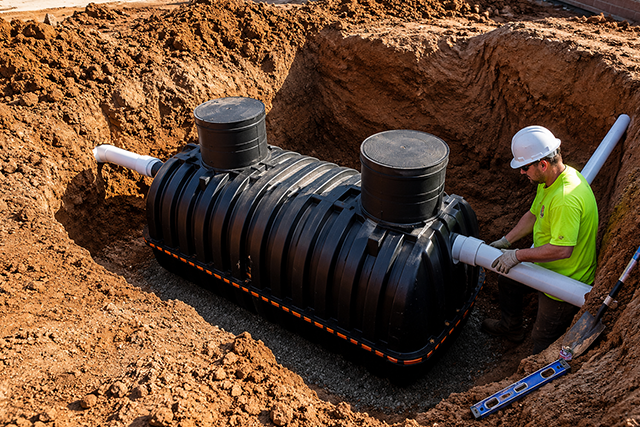
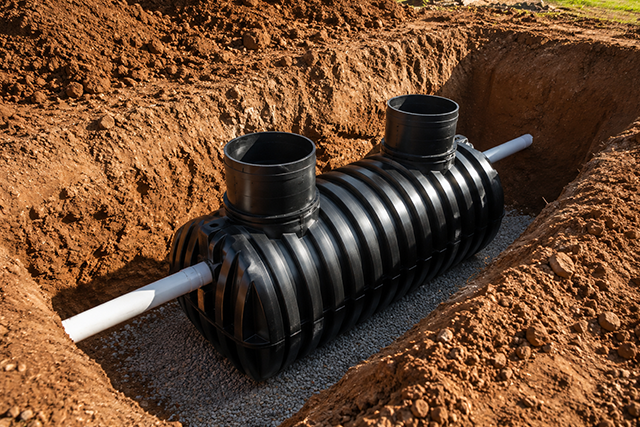
During septic tank installation, we prepare a stable base and set the tank at the required elevation. Correct inlet and outlet alignment helps wastewater move as intended. We add accessible service openings when required, making future pumping easier.
The disposal area comes next. Trenches, lines, chambers, or other accepted parts must sit at the correct grade. We spread flow across the designated area and protect the soil from compaction.
A new septic system also needs a startup review. We check flow, lids, risers, fittings, and finished grading. For systems with pumps, controls, or alarms, we confirm basic operation before regular use. Our septic system installation services in South Plains & Surrounding West Texas Areas cover the physical setup from excavation through final site work. This keeps connected site tasks under one crew.
SepTech LBK installs residential septic systems for houses, manufactured homes, rural lots, and new construction. We base each project on expected use and the accepted design. Bedrooms and future additions can change tank and disposal needs.
We also install commercial septic systems for shops, service properties, and other sites beyond public sewer reach. Changing water use may require different tank capacity, dosing, treatment, or disposal planning. We discuss those demands before construction.
Property changes may also create a need for septic system replacement. An older setup may no longer match the building or current use. We review accessible components and usable space before discussing the next move. Some parts may remain useful, though the site findings must support that choice.
For RV parks and larger developments, our septic system services In South Plains & Surrounding West Texas Areas can work alongside pads, trenching, utility connections, roads, and driveways. One coordinated layout helps keep traffic lanes and utility trenches away from the disposal area.
We handle new septic installations for simple and involved sites. As your septic installation contractor, we keep the work tied to site use, approved plans, and future access. Our septic installation services also connect with dirt work, concrete, water lines, sewer lines, electrical paths, and gas utility preparation when the project requires them. Call (806) 319-4820 to discuss the site and planned use. Our team is available 24/7 for consultations and scheduling.
Our OSSF Level II installer and site evaluator credentials give you informed guidance before construction, during placement, and through required system checks.
Our septic system installation in South Plains & Surrounding West Texas Areas includes 24/7 availability, helping you reach a nearby team when project timing becomes urgent.
You can combine excavation, trenching, pads, utility lines, concrete, and access work, reducing scheduling gaps between crews working across your property.
The needed area depends on soil results, daily flow, system type, setbacks, wells, buildings, and property lines. A site evaluation determines the actual footprint. It must also identify enough usable soil for the disposal area and any required replacement area.
Field construction often takes several working days after design, approvals, materials, and utility markings are ready. Weather, soil, inspections, system type, and access can extend the schedule. We explain the likely sequence before excavation starts.
Most new on-site sewage facility projects require local approval before construction. The process may include evaluation, design documents, an application, and inspections. The completed work must follow the accepted plan before regular use begins.
The answer depends on soil, available space, daily flow, slope, groundwater conditions, and local requirements. During septic system installation in South Plains & Surrounding West Texas Areas, our team uses site findings and accepted design details to determine the suitable layout.
Possibly, but the tank must suit the planned setup. Its size, condition, material, watertightness, inlet, outlet, access, and location all matter. The evaluation must support reuse before the tank becomes part of the design.
Keep vehicles, heavy equipment, buildings, pools, and storage away from the disposal area. Do not send roof drains or standing water toward it. Save system records, know the tank location, and follow the recommended pumping and maintenance schedule.
We support property projects with septic work, utility connections, excavation, concrete, road building, and reliable site preparation throughout South Plains and surrounding areas across West Texas.