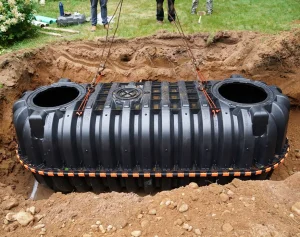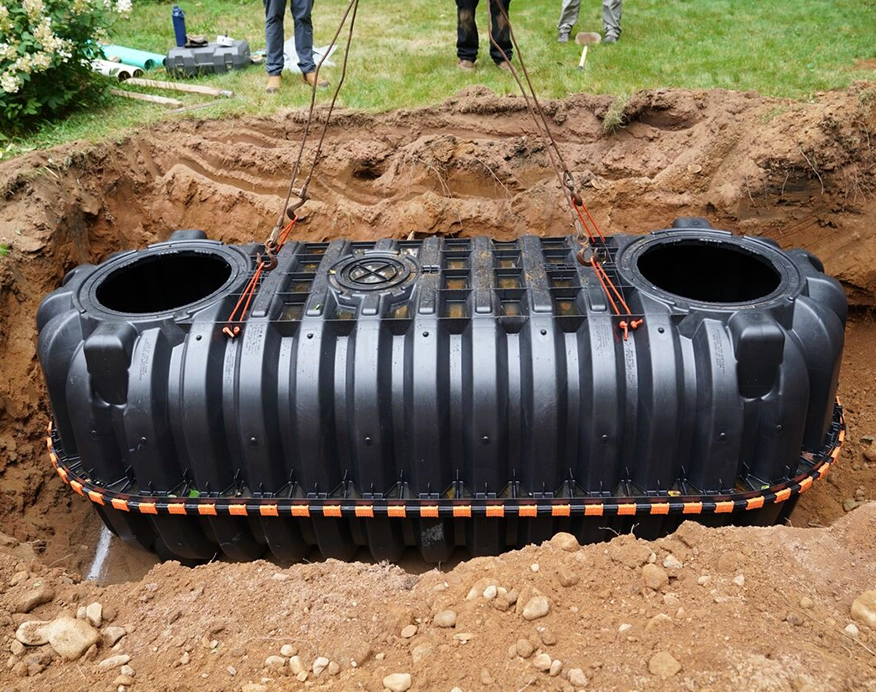
Your septic system works quietly under the ground, cleaning water your family uses every day. Because it hides out of sight, it is easy to forget that the parts inside wear out. Pipes can crack, filters clog, and the drainfield can only soak up so much. When those parts fail, warning signs begin to pop up in the house and yard. Catching these clues early protects your health, saves money, and avoids a yard full of mess. The seven signs below explain what to watch for, why each sign matters, and what steps you can take right away. Read with care, share with family, and call a licensed installer before a small hint grows into a very big bill.
Slow And Sluggish Drains Throughout Your Entire Home
Water that once whisked away in seconds now hangs around the sink. Showers leave you ankle-deep. Even after “quick fixes” like plungers or store-bought cleaners, the pipe still crawls. A single slow drain often points to a clog close to the fixture, but sluggish drains in the kitchen and both bathrooms usually mean trouble farther down. Inside the septic tank, solid waste settles while liquid flows onward. When the tank fills past its working level, extra waste begins to creep into outlet pipes, narrowing the space water needs to travel. Think of a straw pinched between your fingers—liquid slows or stops.
Key checks and actions:
- Run water in sinks on opposite ends of the house at once. If both slow, suspect the tank, not the branch pipes.
- Listen for gurgling in lines leading from the dishwasher or washing machine.
- Schedule a tank inspection before using harsh chemicals; cleaners can kill good bacteria that break down waste.
At a minimum, tanks should be pumped every 3–5 years. If you are pumping more often, it hints at damage inside the tank or drainfield saturation—two issues that often require replacement rather than repair.
Grass Suddenly Greener Above The Drainfield Area
A healthy lawn is great, but a lawn that looks like a neon carpet only over one stretch of ground deserves a closer look. The drainfield releases treated water through tiny holes in underground pipes. When those pipes clog or crack, extra nutrients and moisture leak into the soil in a concentrated strip. Nitrogen and phosphorus feed grass, turning it bright green. While good for color, it means the soil can no longer filter water the way it should.
Technical facts worth noting: the drainfield relies on unsaturated soil and oxygen-loving bacteria that live just under the surface. Oversaturation drives out air pockets, suffocating those helpful microbes. Once they die off, untreated water may reach shallow wells or nearby streams. Replacing the system is often safer, faster, and cheaper than trying to rebuild a lifeless drainfield square by square.
Persistent Bad Smells Near Tanks And Drains
A properly working septic system should stay mostly odor-free outdoors and entirely odor-free indoors. Rotten egg or sewage smells hint at hydrogen sulfide gas escaping through cracks, loose lids, or overfull tanks. Airborne hydrogen sulfide in high amounts can irritate eyes and lungs.
Simple diagnostic steps:
- Walk the area downwind first thing in the morning when air is still. Take note of any strong-smelling zone.
- Check vent stacks on the roof for nests or frost caps blocking gas release.
- If indoor drains smell, pour a small bucket of water into seldom-used floor or shower traps. Dry traps let gas rise.
When smells linger after these steps, the issue likely lies deeper. Over time, internal baffles inside the tank break or collapse. Without working baffles, solids float straight into the drainfield and clog it. Replacement will restore safety and keep your air fresh.
Standing Water In Your Yard After Rain
All soil holds rain for a while, but water that pools for days, smells foul, and sits near the tank or drainfield spells septic trouble. A failing drainfield loses its ability to absorb and filter effluent. Heavy rain then mixes with wastewater, pushing it upward until it reaches the surface.
Why this matters: surface wastewater carries bacteria such as E. coli that can cause stomach illness if kids or pets play nearby. It can also draw flies and mosquitoes.
Look for these clues:
- Pools form even when neighboring yards dry quickly.
- Soil feels spongy or squishes underfoot outside rainy seasons.
- White or gray toilet paper bits appear on the grass—a sure sign of effluent surfacing.
While minor grading fixes runoff, it won’t fix a clogged field. The safest path is a fresh layout with new, well-drained trenches.
Toilets Bubbling Or Gurgling During Each Flush
A steady roar from the bowl after a flush may sound harmless, yet it is a signal that air is trapped inside the plumbing. Wastewater moves through pipes like cars on a one-way road. When the lane narrows—because sludge blocks the outlet—air pockets build and escape back toward the fixture, causing that gurgle.
Troubleshooting tips:
- Flush with someone listening near the tank opening if possible. A delayed echo outdoors points to slow flow leaving the house.
- Check the vent pipe for leaves or animal nests that could create back pressure.
- Avoid dumping yeast or “miracle” additives into the system; most do little and some upset natural bacterial balance.
Continuous gurgling paired with other signs on this list means the system is beyond a quick pump-out. A new tank sized for current household use is likely required.
High Nitrate Levels Detected In Well Water
Homeowners who drink from private wells should test water every year. Rising nitrate levels often come from failing septic systems. When effluent travels beyond the drainfield without enough filtering, nitrate-rich liquids can seep into the aquifer. Nitrates above 10 mg/L are unsafe for infants and may harm adults over time.
Technical details to note: typical soil purifies wastewater through biological, chemical, and physical processes within the top three feet. If the drainfield sits in shallow soil above bedrock or a high water table, pollutants bypass this cleaning layer almost entirely.
If your well shows high nitrates:
- Use bottled water for drinking and cooking until the issue is solved.
- Retest to confirm results and rule out nearby farm runoff.
- Consult a certified septic installer; moving and rebuilding the drainfield or installing an advanced treatment unit may be necessary.
Septic Tank Needs Pumping More Than Usual
Pumping should be routine, not constant. A family of four using standard fixtures typically schedules service every three to five years. If you see the truck every year—or worse, every few months—wastewater is not settling as it should.
Common reasons for repeat pumping:
- Cracked tank allows groundwater in, filling it faster.
- Collapsed baffle lets solids escape, clogging pipes and shrinking space for liquid.
- Oversized family or added fixtures exceed tank capacity.
Run these quick calculations with your service record: track total gallons pumped and divide by months between visits. An upward trend hints that the system is on its last legs. Upgrading to a new, properly sized system improves performance and lowers lifetime maintenance costs.
Conclusion
Spotting any one of these warning signs early protects your family, property, and wallet. When two or more appear at once, it is time for expert help. SepTech LBK installs modern, code-approved septic systems that keep wastewater where it belongs—underground and fully treated. Our trained crews handle soil tests, permits, safe removal of the old unit, and complete installation of the new system. Call SepTech LBK before a simple hint turns into expensive damage, and enjoy steady drains, clean yards, and safe water for years to come.